
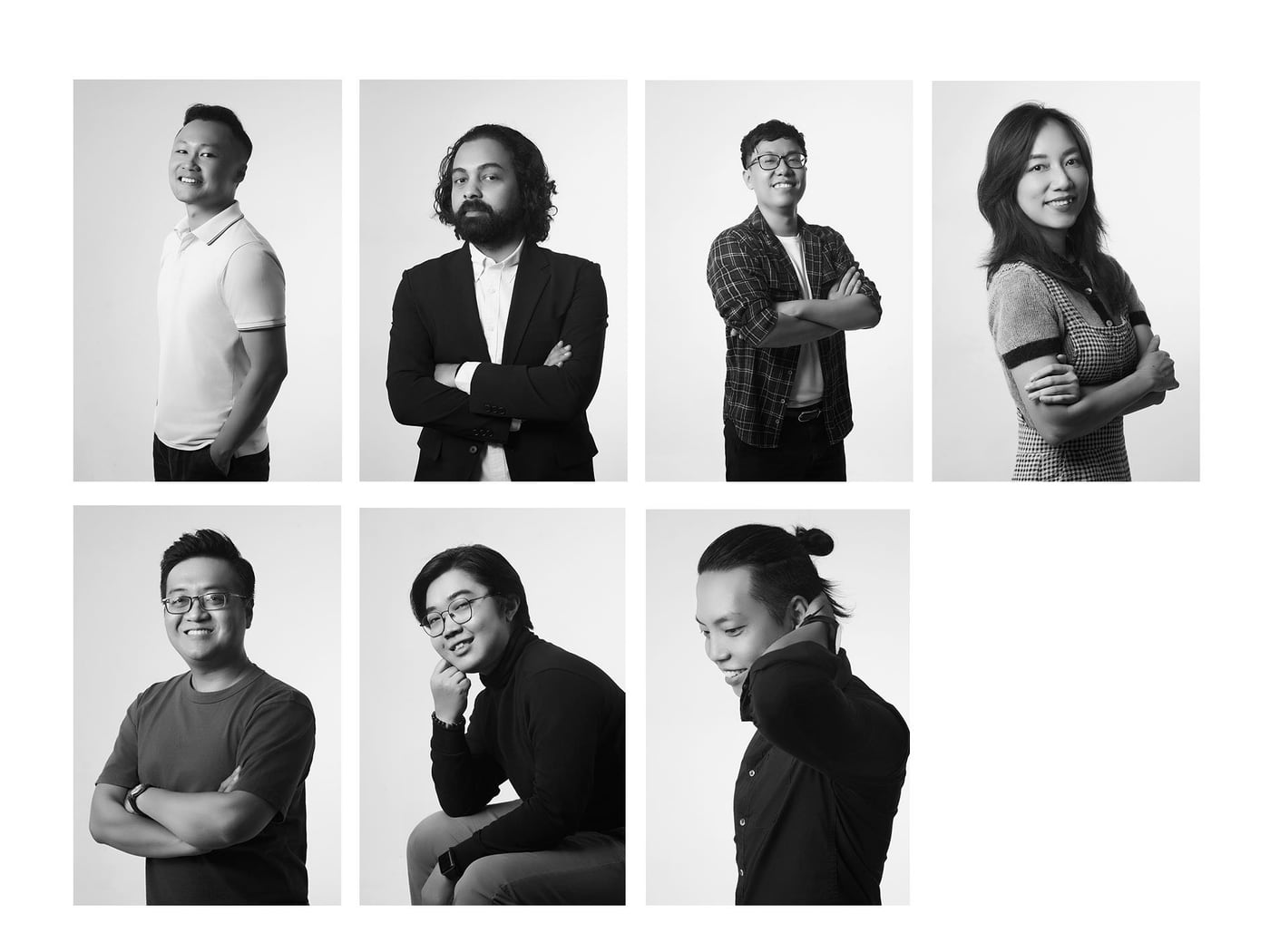
Quick summary: Hospital medical staff uniform photography is not “shoot like a regular business and change the outfit” - it requires 5 separate standards: (1) anti-blowout technique for white coats (lower exposure, large softbox, histogram check), (2) neutral background tone to separate the coat, (3) onsite hospital workflow that matches staff shifts, (4) 3-layer NDA complying with Ministry of Health standards, (5) natural retouching without over-smoothing skin. This article is a detailed guide for Hospital HR / Healthcare Brand Managers.
Why should hospitals invest in staff uniform photography?

In modern healthcare, images of the medical team play an important role in building trust with patients and families:
- More than 70% of patients review the “Doctors” / “Departments & Team” page on a hospital website before booking their first appointment
- Patients choose a hospital based on 3 main factors: doctor expertise, previous customer reviews, and professional, consistent team imagery
- Hospitals with synchronized + professional staff photo systems show a significantly stronger trust score than hospitals using self-shot photos or inconsistent images across departments
- Specialist doctors with brand-standard LinkedIn photos see a stronger increase in inbound referrals from peers in the medical community
The figures above are aggregated estimates from public healthcare digital marketing reports and Vietnamese market observations, not primary research data.
Vietnamese medical uniform categories and technical photography requirements
Vietnam’s healthcare sector has 5 main uniform groups, and each group requires a different shooting setup:
Medical uniform classification and shooting technique table
| Position | Common uniform | Suggested background | Technical note |
|---|---|---|---|
| Doctor | Long white coat + shirt/tie inside | Neutral gray #E5E5E5 | Avoid white-coat blowout - reduce exposure -0.7 stop, use a large softbox |
| Nurse | Light blue / blue / pastel pink scrubs | Off-white or light gray | Color cast - 5500K lighting, avoid tungsten that turns blue yellowish |
| Imaging technician | White coat + protective lead apron (X-ray) | Neutral gray | Lead apron makes the posture stiff - coach a natural pose |
| Pharmacist | White coat + pharmacist badge on chest | Gray or white | Professional badge must be clear - local sharpening during retouch |
| Administration / Reception | Hospital-specific uniform (dress/shirt) | Depends on brand color | Follow hospital brand guideline, do not mix with clinical departments |
5 general rules for medical uniform photography
- White coats must not blow out - highlight channel histogram should not exceed 245/255 on the coat
- Clear background separation - use neutral gray tones (#D9D9D9 to #E5E5E5) so white coats do not disappear
- Natural skin tone - DO NOT over-smooth skin (doctors must look real, not spa-like)
- Name badge + specialty must be clear - use local sharpening on the badge area so it remains readable at 600x800px
- Stethoscope position (if any) - place it neatly around the neck, not dangling in front
Expert tip: Medical uniforms should be freshly washed within 3 days before the shoot. Stains on white coats (pen ink, coffee marks) will SHOW CLEARLY in photos and are very difficult to retouch completely.
Standard lighting setup for white coats
This is the biggest technical challenge in healthcare photography: white coats reflect strong light and easily blow out, losing fabric detail.
4-light setup for white coats
Key light:    Softbox 120x90cm (LARGER than usual), 45° from above,
              power 50-60% (LOWER than regular corporate shoots)
Fill light:   Softbox 90x60cm, opposite the key, power 30-35%
Rim light:    Strip light 30x120cm, behind at 135°, power 35-40%
Background light: Small 60W light aimed at gray backdrop with honeycomb grid
-> creates a subtle gradient separating the white coat from the backgroundReason: White coats reflect light very strongly. If you use a small 60x60cm softbox at 70-80% power (the usual standard), the coat will blow out and lose fabric texture. The setup above keeps the histogram in the 200-240/255 band - bright and clean, but not overexposed.
3-light setup for nurse blue scrubs
Key light:    Softbox 90x60cm, 45° from above, power 60-70%
Fill light:   Softbox 60x60cm, opposite the key, power 35-40%
Rim light: Strip light, from behind, 40% power + neutral filterReason: Blue scrubs have medium brightness and do not need the same anti-blowout technique as white coats. However, standard 5500K white balance is needed so blue does not shift yellow or green.
3-light setup for reception/admin uniforms
Use a setup similar to regular corporate photography. See the synchronized corporate employee photography article for details.
Workflow for photographing 100 hospital medical staff
Pre-production (Week -3 to -1)
Week -3:
- Briefing with Board of Directors + HR + Department Heads - finalize scope, brand guideline, NDA
- Hospital site survey - check meeting room, corridor, lighting, disinfection rules
- Build a timeline that matches each department’s shifts
- Send internal notice - outfit, name badge, shoot time
Week -2:
- Test shoot 5-10 representative staff from 3 groups (doctor + nurse + technician)
- Sample retouch 3-5 images -> Brand Manager approves tone
- Brief shoot team on disinfection rules + hospital NDA
Week -1:
- Confirm shoot slots with each department
- Set up and test the meeting room
- Prepare NDA + consent form for every staff member
Hospital shoot day
6:30: Team arrives at hospital, completes security check-in
7:00: Meeting room setup - background + lighting (1 hour)
8:00: Start slot 1 - morning-shift staff

8-minute slot/person:
- 1 minute: Welcome + adjust name badge + white coat (check folds + stains)
- 5 minutes: Shoot 30-50 frames (3 angles + 2 expressions)
- 1 minute: Preview on 24" monitor - staff selects 5 frames
- 1 minute: Staff exits, next slot begins

12:00 - 13:00: Lunch break
13:00 - 17:00: Afternoon-shift slots
17:00 - 19:00: Night-shift slots (if any)

19:30: Wrap-up, photo backup, pack equipment
Post-production (Week +1 to +3)
Week +1: Cull images - select the best 5 photos/staff member -> preview for HR approval
Week +2: Batch retouch to standard - focus on natural skin tone + non-blown-out white coats
Week +3: Multi-size output, healthcare naming convention, cloud upload, delivery
See also the 100 employees in 1 day photography workflow for a general corporate perspective.
Standard retouching for healthcare photos
5 non-negotiable principles
- Natural skin tone - doctors must look real, not spa-like. DO NOT over-smooth skin
- White coat has texture - preserve fabric detail, do not flatten it
- Name badge is sharp - local sharpening so name and specialty are readable
- Stethoscope position - adjust if misaligned, do not remove it completely (it is part of the doctor’s professional identity)
- DO NOT remove profession-specific details - such as a neatly folded mask around the neck, medical watch, specialty loupe
Healthcare-specific retouching workflow
Step 1 - Color correction (5 minutes/photo):
  - White balance match - white coat must read as true white (#FAFAFA - #FFFFFF)
  - Adjust exposure dial on coat area to 200-240/255 (not blown out)
  - Skin tone: Vietnam medium skin tone chart (#D4A574)

Step 2 - Skin retouch (6 minutes/photo - SHORTER than corporate):
  - Heal large blemishes, DO NOT remove moles
  - DO NOT use Frequency Separation
  - Preserve natural skin texture - doctors do NOT need to look younger

Step 3 - Uniform retouch (3 minutes/photo):
  - Iron out the white coat (remove large folds, KEEP fabric texture)
  - Local sharpening on the name badge
  - Stethoscope alignment if skewed

Step 4 - Background cleanup (2 minutes/photo):
  - Remove dust and small stains on the backdrop
  - Ensure background consistency across all photos

Step 5 - Output (1 minute/photo):
  - Export 4 sizes: 1080x1350, 800x800, 600x800, 1500x2100
  - sRGB color profile for web, Adobe RGB for printed department signage
Total: 17 minutes/photo x 5 photos/staff member = 85 minutes/staff member. A 4-retoucher team can process 100 staff in 4-6 days.
Multi-size deliverables for hospitals
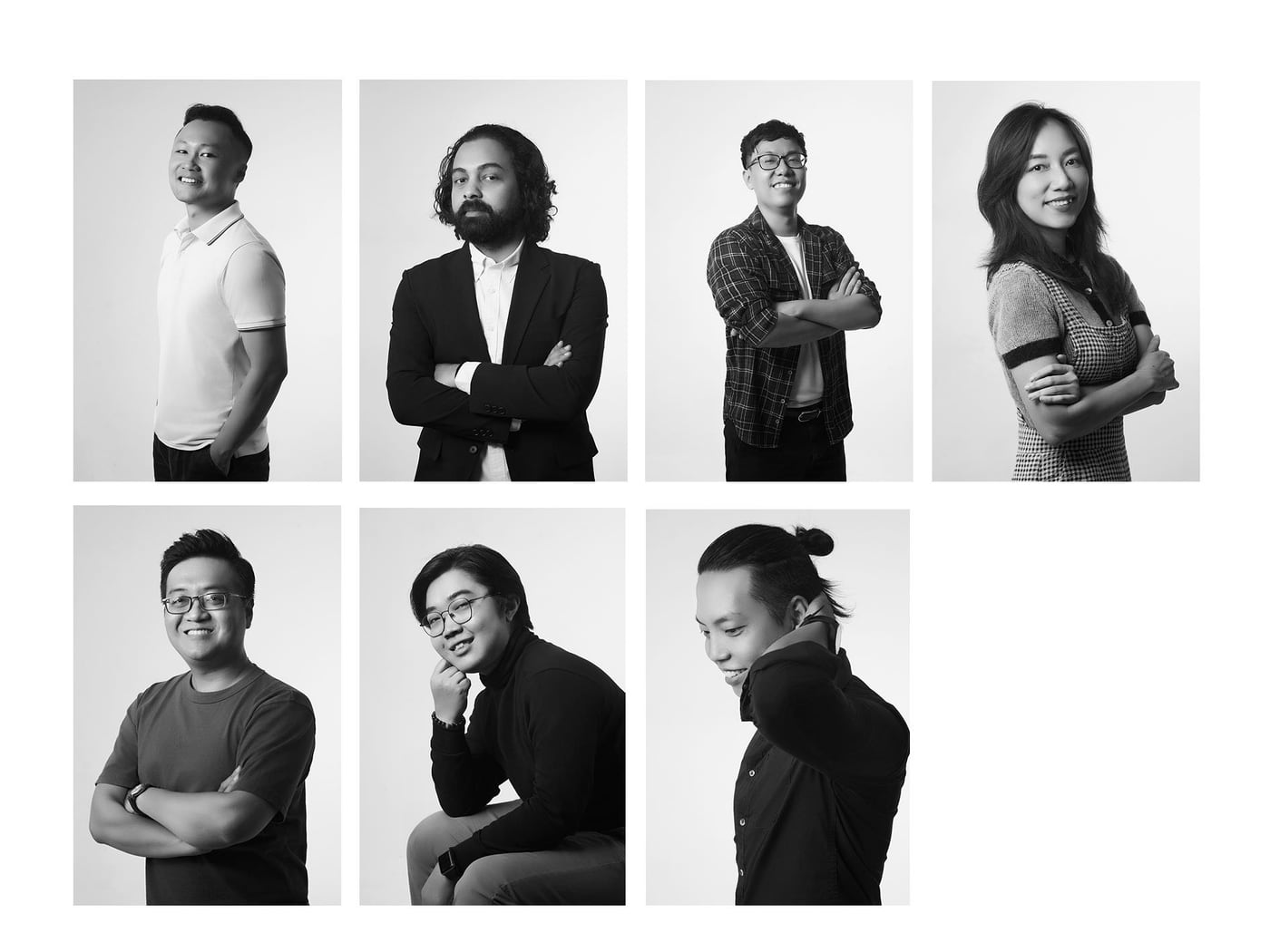
4 standard sizes
| Use case | Size | Format | Color profile |
|---|---|---|---|
| Website / hospital annual report | 1080 x 1350 px | JPG (q90) | sRGB |
| LinkedIn / internal system | 800 x 800 px | JPG (q90) | sRGB |
| ID badge / medical staff card | 600 x 800 px | JPG (q95) | sRGB |
| Department staff board / hallway signage | 1500 x 2100 px | TIFF | Adobe RGB |
Standard hospital naming convention
{hospital_code}_{department_code}_{role}_{employee_id}_{size}.{ext}

Example: BV-XYZ_KHOA-NOI_BS_EMP12345_1080x1350.jpg
         BV-XYZ_KHOA-NOI_BS_EMP12345_600x800.jpg
BV-XYZ_KHOA-CAPCUU_DDU_EMP67890_1080x1350.jpgNote: department_code matters greatly in hospitals because permissions for updating each department’s own website page often follow department structure.
Compliance + NDA for healthcare photo projects
Vietnamese healthcare has 4 compliance layers to follow when photographing uniforms:
1. Ministry of Health rules on staff imagery
- Doctors in official marketing images must hold a valid practice license (registered with the Ministry of Health)
- Image content must not “suggest treatment” - do NOT show doctors holding drug products, and avoid claims related to treatment outcomes
- Photos with medical tools (needles, measuring devices, etc.) must be placed in a safe context and not imply self-use
2. 3-layer NDA
- Layer 1: Studio ↔ Hospital - protect staff information + department interiors
- Layer 2: Studio ↔ Individual shoot team - NO secret patient photos, NO posting department photos on personal social media
- Layer 3: Each staff member ↔ Hospital - consent form specifying which channels may use the images
3. Disinfection rules
- The shoot team MUST follow hospital disinfection rules
- DO NOT bring food into examination areas
- Tripods + studio lights MUST be disinfected before setup inside a department
- Wear gowns / shoe covers if the hospital requires them
4. Patient privacy (Vietnam HIPAA-equivalent)
- ABSOLUTELY NO patients in frame, even in the background
- DO NOT photograph monitors showing patient information
- DO NOT photograph medical records / charts
- Before shooting inside a department, check that no patient paperwork is visible in or near frame
Hospital package costs — 3 budget levels
50-staff package — 40-70 million VND
- 1 shoot day at 1-2 departments
- 2 photographers + 1 makeup artist + 1 PM
- Retouch 5 photos/staff member
- Output 4 sizes
- Delivery in 14 days
100-150 medical staff package — 70-130 million VND
- 2 shoot days across 3-5 departments
- 3 photographers + 2 makeup artists + 1 stylist + 1 PM + 1 hospital coordinator
- Retouch 5 photos/staff member
- Output 4 sizes + DAM-ready metadata
- Delivery in 21 days
200-500 staff package (large hospital) — 180-320 million VND
- 5-8 shoot days across 8-15 departments
- 4-5 photographers + 3 makeup artists + 2 stylists + 2 PMs + 2 assistants
- Retouch 5 photos/staff member
- Output 4 sizes + Bynder/Brandfolder integration
- Delivery in 30-45 days
- Bonus: 1 premium portrait day for Board of Directors + Department Heads
See detailed packages at the Corporate Team Photography service page.
6 common pitfalls in healthcare photography
1. White coat blows out and loses detail
Impact: The coat looks flat like paper, loses fabric texture, and is difficult to retouch
Prevention: Reduce exposure by -0.7 stop, use a large 120x90cm softbox, check histogram in real time
2. Blue scrub shifts to the wrong tone
Impact: Light blue scrubs turn green or yellowish because of tungsten lighting
Prevention: Use 5500K LED lights, fixed WB, and do not mix with window daylight
3. Name badge is crooked or blurred
Impact: Name + specialty cannot be read at employee ID size
Prevention: Stylist straightens badge before the slot, photographer shoots minimum 24MP, local sharpening in retouch
4. Patient accidentally appears in frame
Impact: Patient privacy violation - images must be deleted and the hospital must be formally apologized to
Prevention: Set up a shoot area separated from examination zones, have security/PM control access, check the background every 30 minutes
5. Stethoscope dangles or sits crooked
Impact: The doctor’s photo looks messy and unprofessional
Prevention: Stylist coaches a neat stethoscope pose around the neck, not dangling in front
6. Skin tone looks too “beautiful” and unnatural
Impact: Doctors look like models, reducing patient trust
Prevention: Retouch lightly, DO NOT smooth skin with Frequency Separation, preserve skin detail
21-day checklist before a hospital photo shoot
21 days before
- Briefing with Board of Directors + HR + Department Heads
- Finalize studio partner + sign contract + 3-layer NDA
- Build timeline around 3 shifts: morning/afternoon/night
14 days before
- Site survey of 1-3 key departments
- Send internal notice - outfit, name badge, shoot shift requirements
- Order new uniforms if replacements are needed (old coats, faded scrubs)
7 days before
- Test shoot 5-10 representative staff from 3 groups
- Sample retouch 3-5 images -> Brand Manager approval
- Brief shoot team on disinfection rules + hospital NDA
1 day before
- Final equipment check + disinfection
- Team brief - role assignment + hospital rule compliance
- Confirm security check-in logistics with hospital
Shoot day
- 6:30 arrive at hospital, security check-in
- 7:00 - 8:00 setup
- 8:00 - 12:00 morning-shift slots
- 13:00 - 17:00 afternoon-shift slots
- 17:00 - 19:00 night-shift slots (if any)
- 19:30 wrap-up + photo backup
21 days after
- Complete retouch + multi-size output
- Deliver cloud folder + hard drive to hospital Brand Manager
- HR sends photos to each staff member
- Update department staff boards
- Roll out updates to the “Team” website page + LinkedIn
Reference pricing at Gạo Nâu Profile
| Item | Price (VAT excl.) | Delivery time |
|---|---|---|
| Personal Profile (Basic) | 2.100.000đ | 3 — 5 days |
| Corporate team photography | Contact for quote | 10 — 15 days |
| Office / factory photography | Contact for quote | 5 — 15 days |
Groups of 5+ receive incentives, and businesses with 30+ people have separate packages. See the full price list or call hotline (+84) 775 243 530.
Conclusion
Hospital medical staff uniform photography is a compliance-critical project. Violating any of the 4 layers (Ministry of Health, NDA, disinfection, patient privacy) can create serious legal risk. 5 standards to remember:
- Anti-blowout technique for white coats (exposure, large softbox, histogram check)
- Neutral background tone separating medical uniforms
- Onsite workflow matching 3-shift schedules
- 3-layer NDA + Ministry of Health compliance
- Natural retouching without a spa-like look
Hospitals that invest in synchronized photo systems often see higher inbound leads from the “Team” page and reduce the time patients need to identify the right department.
Start a hospital uniform photo project: See the Corporate Team Photography package, or schedule a survey at Gạo Nâu’s 3 branches - Hanoi, HCMC D10, HCMC D3. The team specializes in 50-500-staff projects for finance and healthcare.